Related Articles
- 7 Game-Changing Encrypted Messaging Apps Released Since 2019 That Redefine User Control
- Exploring Quantum Entanglement as a Future Layer of Protection for Connected Devices in Decentralized Networks
- Top 7 Privacy-Focused Cloud Backup Services Released Since 2019 That Redefine Data Control
- Exploring Psychological Barriers That Prevent Wider Adaptation of Dual Verification in Everyday Tech Use
- Top 6 Privacy-Focused Browsers from the Last Five Years That Outpace Giants in Speed and Security
- 6 Lesser-Known Identity Protection Gadgets From the Last Five Years That Actually Outperform Popular Brands
Unveiling the Human Element: How Behavioral Biometrics Are Quietly Reshaping Access Control Systems
Unveiling the Human Element: How Behavioral Biometrics Are Quietly Reshaping Access Control Systems
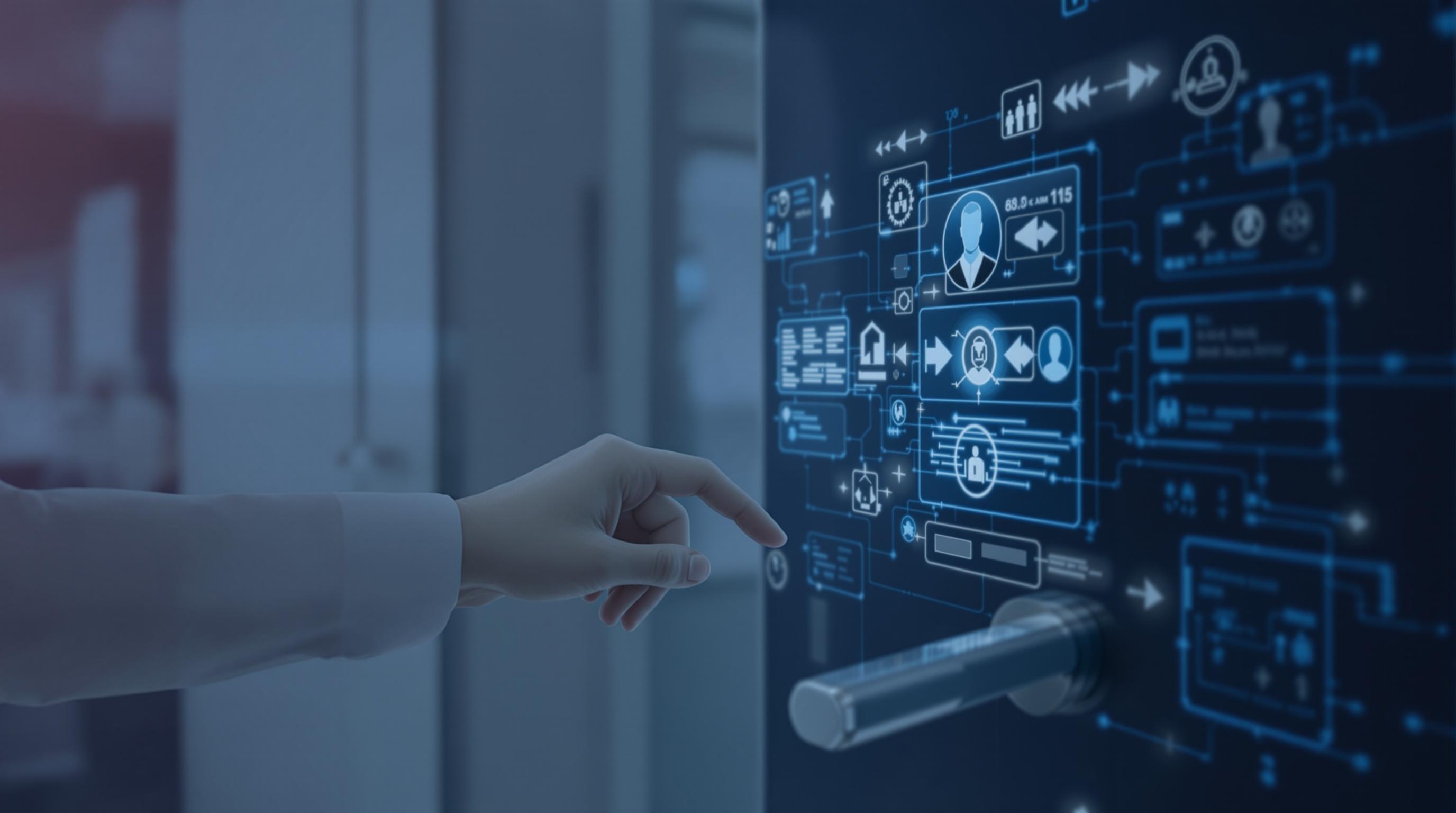
Behavioral biometrics is subtly revolutionizing how we think about access control, blending human behavior with advanced technology to enhance security and user experience. This article explores the multifaceted impact of behavioral biometrics, from practical applications to ethical considerations.
The Rise of Behavioral Biometrics in Access Control
Imagine not having to remember a dozen different passwords or carry multiple security tokens. Behavioral biometrics promises to replace cumbersome authentication methods by analyzing unique patterns like the way you type, swipe, or even walk. Unlike traditional biometrics—which rely on static physical features such as fingerprints or iris scans—behavioral biometrics considers the nuances of human behavior, which are notoriously difficult to fake or replicate.
According to MarketsandMarkets, the behavioral biometrics market is projected to reach $3.5 billion by 2028, growing at a compound annual growth rate (CAGR) of 13.5%. This rapid adoption signals the technology’s potential to become a mainstream pillar in cybersecurity strategies.
How Behavioral Biometrics Works
Think of behavioral biometrics as a digital signature formed by your actions. It monitors various metrics such as keystroke dynamics, mouse movements, touchscreen pressure, gait recognition, and even voice patterns. These data points are continuously captured and analyzed by AI-powered systems to create a unique behavioral profile.
For example, a financial institution may use typing rhythm to detect fraud. Jack, a 45-year-old banking client, noticed that while logging into his account, any deviation from his typical typing pattern triggered an additional security prompt. This real-time analysis helped prevent unauthorized access, showcasing how behavioral biometrics can add layers of protection seamlessly.
The Human Element in Cybersecurity
Here’s where it gets fascinating: the technology effectively makes security personal. No two individuals behave in the exact same way, and this variability becomes a security asset rather than a vulnerability. However, the question of privacy looms large. Skeptics worry about continuous monitoring leading to intrusive surveillance, but proponents argue that with proper safeguards, behavioral data can be anonymized and securely handled.
Take the example of a university implementing behavioral biometrics to secure student databases. Instead of requiring tedious password resets, the system observes how students interact with their devices. Privacy policies are transparent, informing users about data collection scopes—thus striking a delicate balance between security and personal freedom.
From Theory to Practice: Real-World Cases
In 2018, a major telecom company introduced behavioral biometrics to authenticate customer service calls. By listening to voice patterns and response behavior, the system reduced fraudulent calls by 30%, saving millions in potential losses. This case underscores the cost-saving benefits and operational efficiency behavioral biometrics offers.
Another intriguing case involves healthcare, where continuous authentication is critical. A hospital used gait analysis to ensure that only authorized personnel entered sensitive areas like pharmacies and patient records rooms. This hands-free method not only increased safety but also minimized workflow interruptions.
Humorous Take: When Your Keyboard Knows Too Much
Ever thought your keyboard might judge you? A behavioral biometric system might raise an eyebrow if you suddenly start typing like a novice after a few cups of coffee—or worse, if your cat steps on your keyboard! While it sounds like a techy joke, these systems actually monitor such minute details. So, remember: your computer is silently critiquing your typing finesse and posture.
Conversational Insight
“Hey, have you heard about these new security systems that can tell if you’re ‘you’ just by how you tap your phone?” a friend recently asked me at a café. I nodded, sipping my latte, explaining how behavioral biometrics enhance security without forcing us to memorize complex passwords. It’s like security becoming more intuitive and less annoying. That’s a win-win for everyone.
Challenges and Future Directions
No technology is perfect, and behavioral biometrics has its share of challenges. Variations in behavior due to stress, illness, or environmental changes can generate false positives or negatives. Researchers are actively working on adaptive algorithms that learn and adjust to these fluctuations.
Ethical concerns also require vigilant oversight. Transparent consent mechanisms, data minimization, and robust encryption are vital to maintain user trust. Organizations adopting behavioral biometrics must ensure compliance with regulations like GDPR and CCPA to avoid legal pitfalls.
Why Behavioral Biometrics Matters to You
You, the user of smartphones, laptops, or even smart homes, are at the heart of this security revolution. Behavioral biometrics streamlines your access experience, reducing friction while increasing safety. Imagine unlocking your phone without a passcode or fingerprint scan—just you being yourself, recognized by your device’s understanding of your behavior.
Moreover, as cyberattacks become more sophisticated, traditional security methods alone are no longer sufficient. Behavioral biometrics provides continuous authentication, catching unauthorized access attempts even after the initial login, making breaches harder and less frequent.
Conclusion: Embracing a New Security Paradigm
Behavioral biometrics represents a paradigm shift by imbuing security systems with the subtleties of human behavior. It’s not just about technology—it’s an intersection of psychology, data science, and privacy ethics. Whether in banking, healthcare, or everyday device use, the human element is quietly redefining the future of secure access.
As a 52-year-old writer who’s witnessed the evolution of cybersecurity firsthand, I see this technology as a promising leap forward—though the journey requires careful navigation of privacy rights and technical hurdles. For users aged 16 to 70, learning about behavioral biometrics today may very well prepare you to navigate a safer digital tomorrow.
Read More