Related Articles
- 7 Game-Changing Encrypted Messaging Apps Released Since 2019 That Redefine User Control
- Exploring Quantum Entanglement as a Future Layer of Protection for Connected Devices in Decentralized Networks
- Top 7 Privacy-Focused Cloud Backup Services Released Since 2019 That Redefine Data Control
- Exploring Psychological Barriers That Prevent Wider Adaptation of Dual Verification in Everyday Tech Use
- Top 6 Privacy-Focused Browsers from the Last Five Years That Outpace Giants in Speed and Security
- 6 Lesser-Known Identity Protection Gadgets From the Last Five Years That Actually Outperform Popular Brands
The Untold Impact of Two-Factor Authentication Fatigue on User Behavior and Security Compliance
The Untold Impact of Two-Factor Authentication Fatigue on User Behavior and Security Compliance
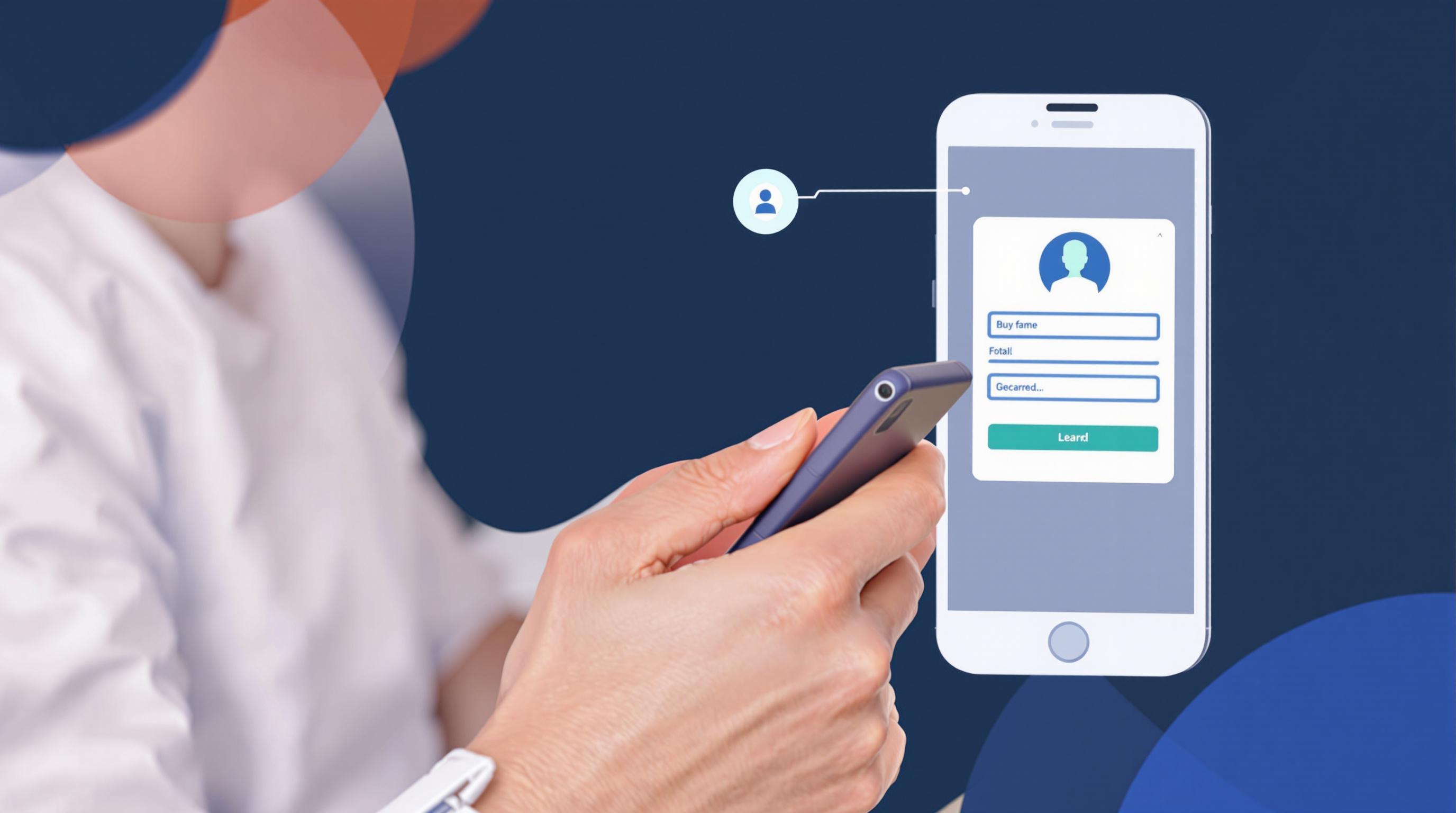
Two-factor authentication fatigue is quietly reshaping user behavior and undermining the very security it aims to strengthen. This article explores the psychological toll of excessive security prompts, its impact on compliance, and practical ways to rethink authentication strategies.
The Double-Edged Sword of Security Measures
Let’s face it: two-factor authentication (2FA) is a critical line of defense in today’s digital world. Yet, the same mechanism designed to protect us can sometimes backfire by overwhelming users. Imagine repeatedly receiving verification codes every time you attempt to log in — the frustration can lead to what researchers call "2FA fatigue."
Statistics spotlight the issue: According to a 2022 report by Microsoft, over 40% of users admitted to bypassing or disabling 2FA due to inconvenience and frequent notification prompts.[1] This growing fatigue not only compromises individual security but can cascade into wider organizational vulnerabilities.
What Causes Two-Factor Authentication Fatigue?
Authentication fatigue stems from the cognitive and behavioral burden imposed by repeated security challenges. Humans have limited capacity for processing interruptions; when alerts become incessant, users develop avoidance or "alert blindness." In cybersecurity terms, this translates to users ignoring or disabling secondary verification methods altogether.
Anecdote: The User Who Just Wanted to Check Email
Take Sarah, a 28-year-old marketing professional who never expected securing her email would become a daily hassle. Every time she tried to access her account, she'd receive an SMS code, a push notification, or an email prompt. It got to a point where Sarah started using the same simple password everywhere and disabled 2FA on less critical accounts — ironically making herself more vulnerable without realizing it.
A Behavioral Perspective: The Psychology Behind Compliance
Compliance with security hygiene is a classic case of balancing risk and reward mentally. The friction caused by frequent authentication demands disrupts user flow, causing annoyance and even resentment towards security protocols. Behavioral studies show that reducing friction increases compliance, while excessive friction leads to circumvention.[2]
Case Study: A Financial Institution’s Struggle
One notable case comes from a major bank that rolled out aggressive 2FA measures across their platform. While initial adoption was high, after six months, support calls spiked due to locked-out users and forgotten credentials. Eventually, the bank found that over 15% of customers opted out of enhanced security features, citing “too many steps.” This illustrates how overzealous enforcement can backfire, especially in high-stress sectors like finance.
Humor Break: Imagine Your Phone as Your Overbearing Parent
Picture this: your phone nags you constantly, “Did you verify your login yet? Are you sure that’s you? No, really, are you sure?” Eventually, you just throw up your hands and say, “Fine, I’ll disable this crazy thing and deal with hackers myself!” Sadly, this punchline is becoming more reality than joke.
Technological Solutions: Is There a Better Way?
To combat 2FA fatigue, some cybersecurity experts recommend leveraging adaptive authentication — which tailors security prompts based on context and behavior rather than rigidly requiring 2FA every time. For example, Google uses machine learning to evaluate sign-in risks dynamically, only triggering additional verification when anomalies arise.[3]
Creative Alternatives to Traditional 2FA
Biometric authentication such as fingerprint or facial recognition offers a seamless yet secure alternative that can reduce fatigue. Likewise, “passwordless” authentication methods, including hardware security keys, are gaining traction for their ease and enhanced security without constant user interruptions.
Conversational Insight: What This Means for You
Hey there! If you’ve ever felt annoyed by the endless pop-ups asking you for authentication codes, you’re not alone. This article’s been a bit of a journey through why these reminders pile up like laundry and how they might be making your accounts less secure, not more. The takeaway? We need smarter systems that protect without demanding so much from us every single time we log in.
Balancing Security and Usability
Security is important, no doubt, but usability must be front and center when designing authentication flows. Systems that are too complex will see diminishing returns as users find ways around them. Successful programs are those that listen to user feedback and iterate accordingly, incorporating human factors into technological solutions.
The Role of Organizations in Mitigating Fatigue
Employers and service providers must acknowledge 2FA fatigue and provide clear communication about the necessity of security protocols. Offering support, flexibility, and education can improve compliance rates. For instance, a tech company that introduced opt-in time-based 2FA found their adoption rates rose by 25%, suggesting user autonomy fosters better engagement.
Future Outlook: The Need for Innovation
The challenge of 2FA fatigue signals a broader imperative for cybersecurity innovation, focused not just on fortifying defenses but enhancing end-user experience. From AI-driven risk assessment to biometrics and behavioral analytics, the future of secure authentication lies in systems that respect user patience while maintaining protection.
Final Thoughts: Remember the Human Behind the Screen
In the race to fortify our digital lives, it's easy to forget users are humans juggling dozens of online tasks daily. Excessive security prompts can immediately turn users from allies into adversaries of their own safety. Effective security respects this delicate balance by integrating smart, user-friendly solutions that reduce fatigue and enhance trust.
References:
[1] Microsoft Security Report, 2022
[2] "Security Fatigue: The Forgotten Challenge," Journal of Behavioral Information Security, 2021
[3] Google Security Blog, "Risk-based Authentication and AI," 2023
Read More