Related Articles
- 7 Game-Changing Encrypted Messaging Apps Released Since 2019 That Redefine User Control
- Exploring Quantum Entanglement as a Future Layer of Protection for Connected Devices in Decentralized Networks
- Top 7 Privacy-Focused Cloud Backup Services Released Since 2019 That Redefine Data Control
- Exploring Psychological Barriers That Prevent Wider Adaptation of Dual Verification in Everyday Tech Use
- Top 6 Privacy-Focused Browsers from the Last Five Years That Outpace Giants in Speed and Security
- 6 Lesser-Known Identity Protection Gadgets From the Last Five Years That Actually Outperform Popular Brands
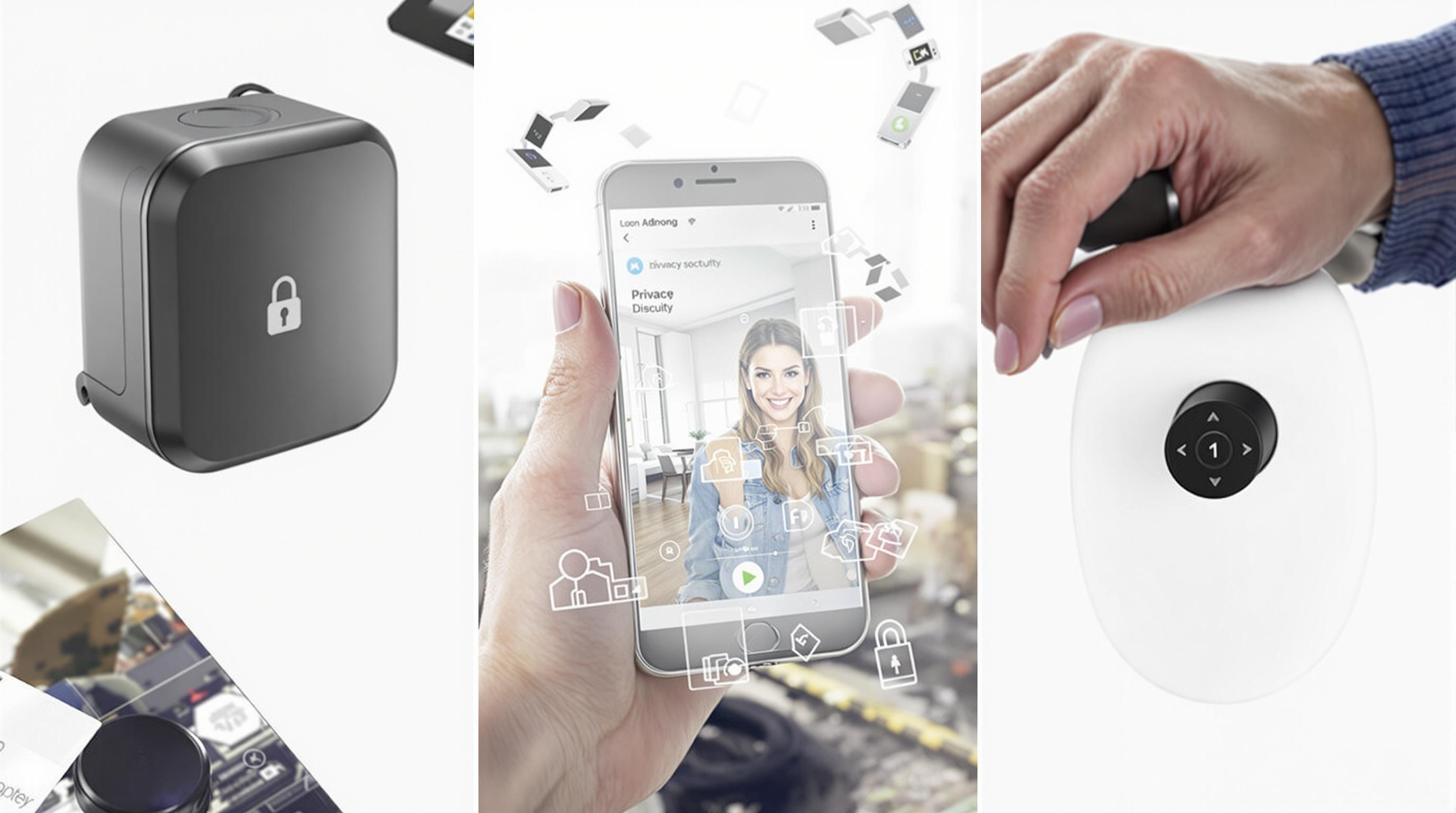
7 Cutting-Edge Identity Safeguards Unveiled Comparing Modern Privacy Devices Transforming Personal Security
7 Cutting-Edge Identity Safeguards Unveiled Comparing Modern Privacy Devices Transforming Personal Security
As cyber threats evolve, innovative identity safeguards are reshaping how we protect personal security in everyday life. This article explores seven groundbreaking devices and technologies, revealing their unique features, real-world applications, and impact on modern privacy.
Facial Recognition: The Double-Edged Sword
Facial recognition technology has rapidly advanced, now integrated into smartphones, airports, and even banking apps. Its convenience is undeniable—users can authenticate with a simple glance—but it raises significant privacy concerns. According to a 2023 Pew Research study, 79% of Americans worry about facial recognition misuse, highlighting a tension between security and surveillance.
One innovative company, ClearID, uses encrypted facial data stored locally on devices to mitigate these concerns. Unlike traditional cloud-based systems, ClearID never uploads biometric data, offering users more control. Yet, as Jane, a 22-year-old college student, points out: “It’s great for quick logins, but I’m cautious about what companies do with my face data.”
The Rise of Behavioral Biometrics
Imagine your phone knowing it’s you not just by your fingerprint but by how you type, swipe, and even hold the device. Behavioral biometrics analyze these unique patterns, creating a dynamic identity shield that’s difficult to spoof. Banks like HSBC have adopted this to detect fraudulent transactions in real time, reducing identity theft losses by over 40% in pilot programs. (Source: HSBC 2022 Security Report)
This continuous authentication means an imposter can be caught mid-session, enhancing security without compromising user experience. It’s a sleek, almost invisible layer of defense that transforms passive security into an active, vigilant guardian.
Wearable Devices: The New Frontier
At just 19, Iota, a tech-savvy enthusiast, swears by his fingerprint-embedded smartwatch that doubles as an identity authenticator. Such wearables combine biometrics with encrypted storage, allowing seamless, contactless authentication for payments or access control.
Beyond convenience, these devices act as a physical barrier to hackers, as authentication occurs locally rather than over vulnerable networks. According to Statista, the global wearable market is projected to reach $74 billion by 2025, underscoring their growing role in personal security.
Storytime: When Smart Rings Saved the Day
Take the case of Lisa, a 28-year-old graphic designer, whose smart ring alerted her to unauthorized attempts to access her home security system. Moments after a failed breach, her device locked all connected systems and notified authorities. This real-world example illustrates the power of integrating AI with identity safeguards to offer proactive protection.
Hardware Security Keys: Simplicity Meets Strength
Two-factor authentication (2FA) is standard now, but physical security keys like YubiKey elevate protection by storing cryptographic secrets offline. Unlike SMS codes vulnerable to phishing, these keys provide near-perfect resistance to remote attacks.
Google reported a dramatic drop in account takeovers among users who switched to hardware keys. While seemingly old-school, these compact devices represent a robust cornerstone in the identity defense arsenal.
Zero Trust Architecture: Trust No One, Verify Everything
Modern enterprises are embracing Zero Trust, an approach where implicit trust is removed from the system. Every access attempt is continuously verified, often incorporating identity safeguards such as multi-factor biometrics and device posture checks.
For personal users, this philosophy is trickling down into home networks and personal devices. The shift challenges us to rethink traditional perimeter-based security models, promoting a layered, vigilant defense strategy.
The Humor of Passwords and Why They’re So Last Decade
Ever tried remembering a dozen complex passwords? Yeah, me too. And then there was that time I mistyped my email password so many times my account started looking at me funny—like I was the villain in a heist movie. Honestly, passwords alone are about as reliable as a screen door on a submarine. That’s why cutting-edge identity safeguards are here to laugh in the face of our password woes!
Blockchain for Identity: Decentralization as Defense
Imagine a world where your identity data lives not in a single database but scattered securely across countless nodes worldwide. Blockchain technology powers this vision, offering tamper-proof, user-controlled identity credentials.
Startups like Civic are pioneering decentralized identity platforms, giving users sovereignty over their personal data. Early adopters praise the reduction in data breaches and increased transparency—key factors in regaining public trust.
Statistics Spotlight
Cybercrime damages are projected to hit $10.5 trillion annually by 2025 (Cybersecurity Ventures, 2023), emphasizing the urgent need for sophisticated identity protection. Implementing advanced safeguards can potentially slash these costly impacts significantly.
Closing Thoughts: The Personal Security Revolution
Whether you’re a teenager navigating social media or a retiree managing online banking, these identity safeguards offer tools customized to diverse lifestyles. From behavioral biometrics to blockchain-backed identities, the personal security landscape is evolving rapidly, promising a future where privacy is not a luxury but a standard.
As a 45-year-old writer and lifelong tech enthusiast, I encourage readers to explore these technologies and adopt a proactive stance on their digital identities. Because in today’s world, safeguarding who you are is the first step in securing everything you have.
Read More