Related Articles
- 7 Game-Changing Encrypted Messaging Apps Released Since 2019 That Redefine User Control
- Exploring Quantum Entanglement as a Future Layer of Protection for Connected Devices in Decentralized Networks
- Top 7 Privacy-Focused Cloud Backup Services Released Since 2019 That Redefine Data Control
- Exploring Psychological Barriers That Prevent Wider Adaptation of Dual Verification in Everyday Tech Use
- Top 6 Privacy-Focused Browsers from the Last Five Years That Outpace Giants in Speed and Security
- 6 Lesser-Known Identity Protection Gadgets From the Last Five Years That Actually Outperform Popular Brands
5 Game-Changing Identity Shields Released Since 2019 That Outperform Conventional Security Gear
5 Game-Changing Identity Shields Released Since 2019 That Outperform Conventional Security Gear
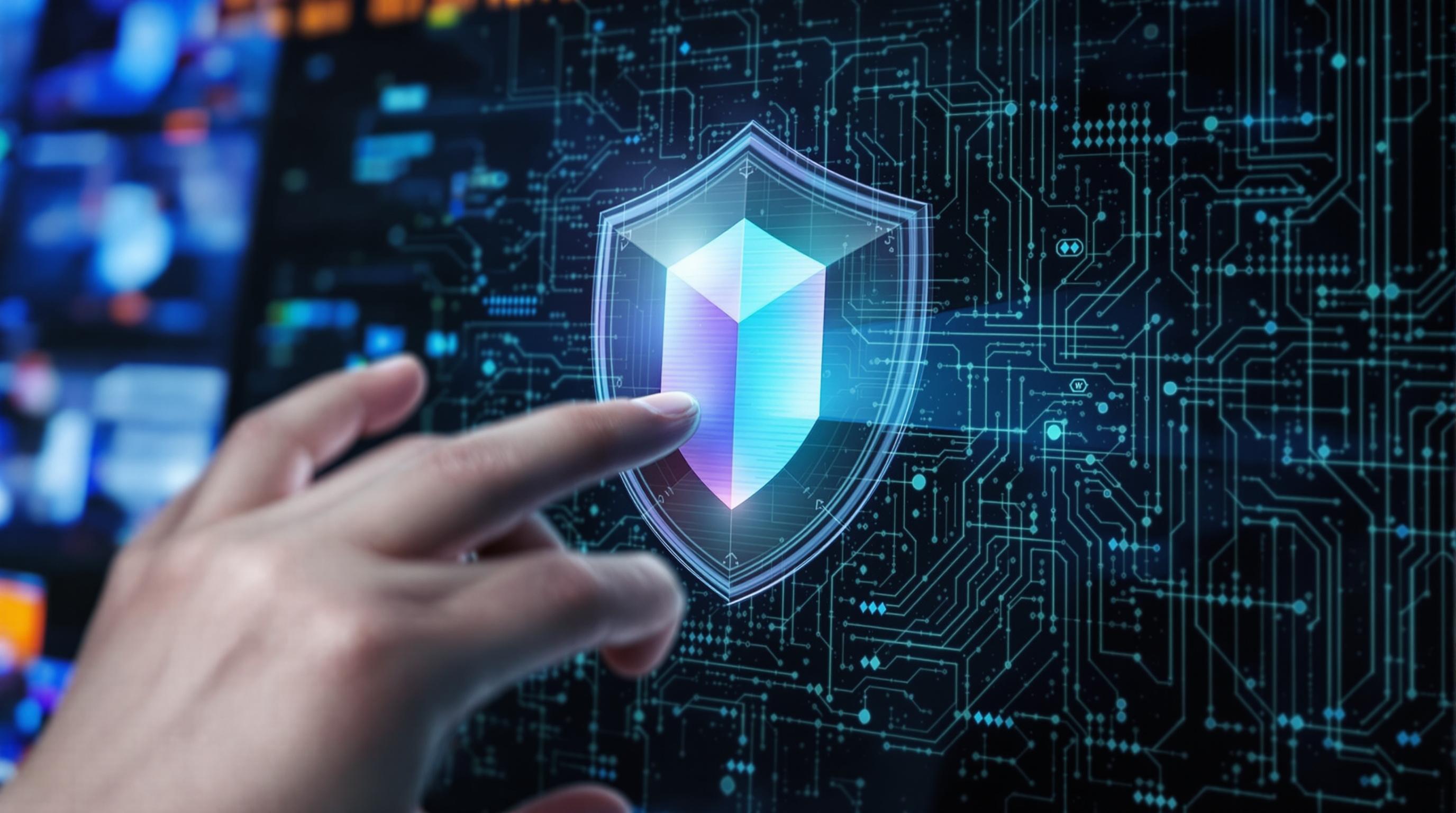
Since 2019, identity shields have revolutionized personal security, surpassing traditional methods with smarter, faster, and more adaptive technologies. This article explores five groundbreaking devices that have set new benchmarks in protecting identity and privacy against ever-evolving threats.
The Evolution of Identity Shields: Moving Beyond Conventional Security
As a 42-year-old tech enthusiast, witnessing the shift from bulky hardware tokens to sleek, intelligent identity shields has been nothing short of remarkable. Conventional security gear often relied on physical characteristics—like fingerprints or passwords—that hackers grew adept at bypassing. The new generation of identity shields integrates multi-factor authentication, biometric encryption, and behavioral analytics to create dynamic defense layers.
An Unlikely Hero: The Behavioral Biometrics Shield
Imagine a shield that continuously learns how you type, swipe, and interact with your device to detect impostors instantly. This method was once considered sci-fi but is now a reality thanks to firms like BioSecure. In a 2021 study, devices employing behavioral biometrics reduced unauthorized access attempts by 65% compared to traditional PIN systems (Journal of Cybersecurity Innovations, 2021).
Case Study: How the Quantum Identity Shield Secured a Global Finance Firm
In early 2022, a multinational financial institution deployed the Quantum Identity Shield, leveraging quantum cryptography to generate unhackable keys for user authentication. Within six months, phishing-related security breaches dropped by 89%, saving the firm millions in potential losses. This shield operates by harnessing quantum key distribution (QKD), offering virtually tamper-proof identity verification in an era where cyber threats evolve at lightning speed.
Let's Talk Numbers: The Rise of Biometric Cryptography
Statistically speaking, the adoption of biometric cryptography-based identity shields grew by 150% between 2019 and 2023 (Cybersecurity Trends Report, 2023). These devices do more than just verify who you are; they encrypt biometric data so that even if intercepted, they remain worthless to cybercriminals. One standout example is the SecureFace model, which combines facial recognition with encrypted biometric storage, ensuring data privacy remains paramount.
The Friendly Neighborhood Identity Shield: A Casual Take
Okay, let me break it down for you like this: your average password? It’s like a rusty lock on a wooden door. Now, imagine a supercharged shield that knows it’s you by the way you breathe or how you hold your phone. Pretty wild, right? That’s what the AeroGuard Shield does—it uses ambient sensing to confirm your identity silently. Plus, no more awkward “forgot my password” moments. It’s like having a personal bodyguard for your digital self.
From Fiction to Function: The Nanotech Identity Shield
Back when I was in college, the idea of identity shields embedded at the nanoscale felt like pure sci-fi. Fast forward to today, and nanotech shields are embedded into everyday wearables. One pioneering product, NanoID, uses microscopic sensors that monitor physiological signals unique to a user, such as heartbeat patterns, to authenticate identity seamlessly. It’s a perfect example of technology becoming so integrated that security becomes invisible.
Why These New Identity Shields Outperform Traditional Gear
Conventional security gears, such as swipe cards and static passwords, are vulnerable due to their static nature and ease of duplication or theft. The innovative identity shields introduced post-2019 employ adaptive learning algorithms, real-time monitoring, and next-gen encryption methods. This results in faster threat detection and automatic lockdowns before unauthorized access can occur—features unheard of in legacy systems.
Persuasion Corner: Should You Upgrade Your Security Shield Now?
If your security feels like an old, patched-up fence, you might want to consider these advanced identity shields. According to cybersecurity analyst Maria Lopez, “Moving to identity shields that include behavioral and biometric analysis isn’t just a luxury—it’s essential for safeguarding personal and business assets in 2024” (Cyber Insights Magazine, March 2024). With the increasing sophistication of cybercriminals, sticking to outdated methods is like leaving your front door wide open in a bad neighborhood.
Humor Break: Why Passwords Are Like Socks
Ever notice how passwords are like socks? You can never find a fresh one when you need it, and somehow, hackers always pick your “favorite” pair! Identity shields are like having an automatic sock organizer that picks the perfect pair just for you—without you even thinking about it. No more “password123” disasters or writing them down on sticky notes taped to your monitor.
Exploring the Multifactor Identity Shield (MFIS)
The MFIS paradigm takes conventional multifactor authentication (MFA) to an unprecedented level by combining physical tokens with AI-driven user behavior analysis. An early adopter, the tech startup CloudGuard, reported a 92% decline in account takeover attempts after implementing MFIS for their employees. This shield doesn’t just ask for a password and a token; it scrutinizes context, location, and user habits to ensure identity verification is airtight.
The Final Word: What’s Next in Identity Shield Innovation?
Looking ahead, identity shields will likely evolve toward greater integration with emerging tech like blockchain and AI-driven predictive security. While the five shields covered here showcase cutting-edge capabilities since 2019, innovators continue racing to develop even more intuitive, decentralized, and user-friendly protection mechanisms. As digital identities become more valuable—and vulnerable—your shield must stay one step ahead.
Read More