Related Articles
- 7 Game-Changing Encrypted Messaging Apps Released Since 2019 That Redefine User Control
- Exploring Quantum Entanglement as a Future Layer of Protection for Connected Devices in Decentralized Networks
- Top 7 Privacy-Focused Cloud Backup Services Released Since 2019 That Redefine Data Control
- Exploring Psychological Barriers That Prevent Wider Adaptation of Dual Verification in Everyday Tech Use
- Top 6 Privacy-Focused Browsers from the Last Five Years That Outpace Giants in Speed and Security
- 6 Lesser-Known Identity Protection Gadgets From the Last Five Years That Actually Outperform Popular Brands
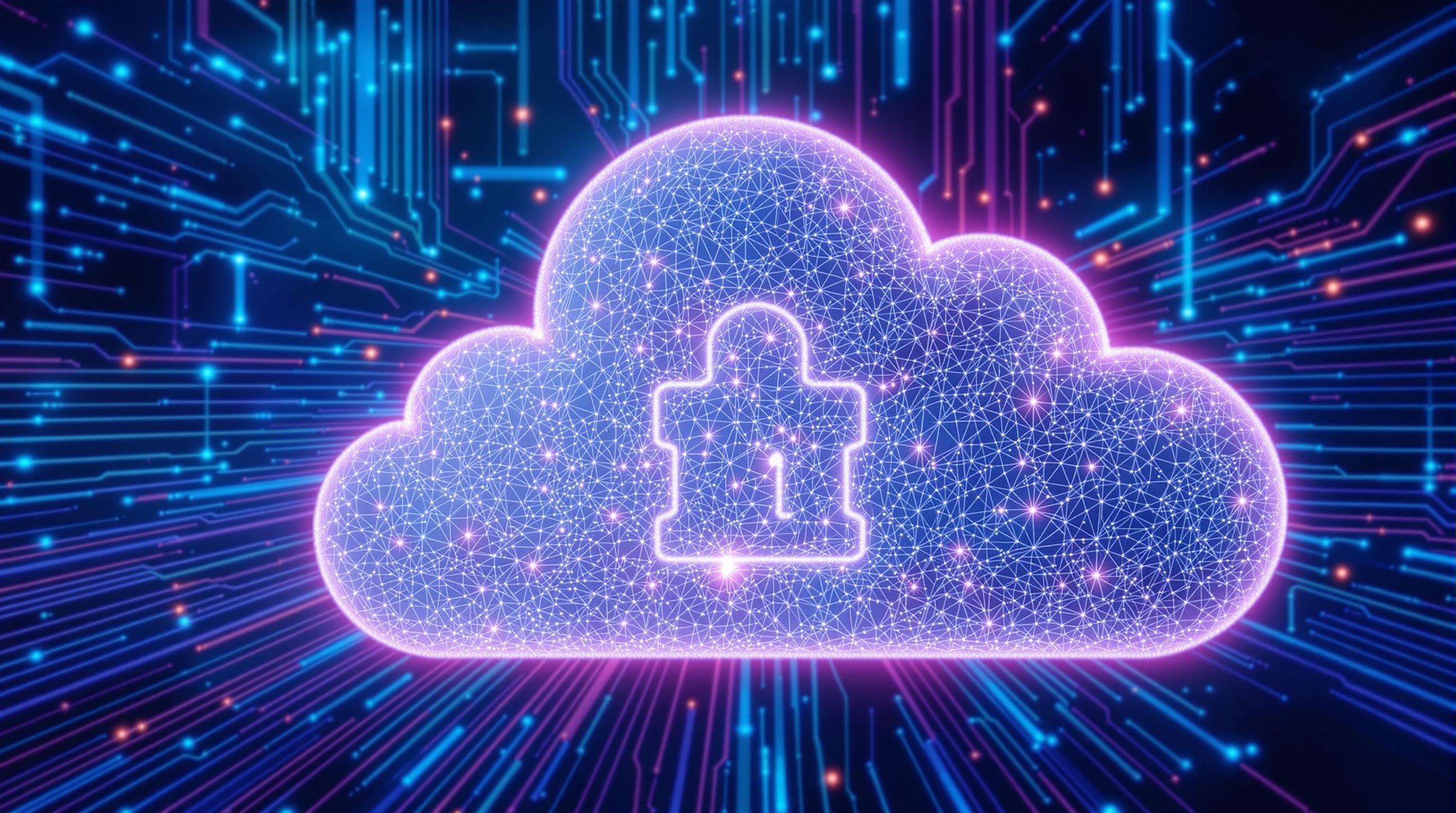
How Quantum Computing Could Undermine Cloud Data Safety and What Under the Radar Measures Can Counteract It
How Quantum Computing Could Undermine Cloud Data Safety and What Under the Radar Measures Can Counteract It
Quantum computing threatens the security of cloud data by potentially breaking widely used encryption methods, but emerging safeguards offer promising resilient defenses. This article explores the vulnerabilities posed by quantum advances and under-the-radar countermeasures to protect your digital information.
The Emerging Quantum Threat to Cloud Security
Imagine a world where today’s strongest locks on data vaults are suddenly picked in seconds. Quantum computers, leveraging the principles of superposition and entanglement, could drastically reduce the time it takes to crack encryption schemes that secure cloud data. A notable example is Shor’s algorithm, which theoretically allows factoring large integers exponentially faster than classical algorithms, jeopardizing RSA encryption widely used in cloud services.
A Cautionary Tale: The 2022 Breach That Never Was (Yet)
In late 2022, a hypothetical scenario circulated among cybersecurity circles: a major cloud provider’s encrypted archives supposedly fell victim to a quantum-powered attack. While this incident remains fictional, it underscores many experts’ fears. Current public cloud infrastructures—even giants like AWS and Azure—are modeled under classical computing assumptions, leaving them vulnerable in a post-quantum world (NIST, 2023).
The Time Bomb Ticking in Your Data Centers
Here's a startling statistic: approximately 80% of enterprise data stored in the cloud today relies on encryption schemes vulnerable to quantum decryption (IBM, 2023). Given that the average data breach in 2023 costs companies $4.35 million (IBM Cost of a Data Breach Report), the financial incentive to upgrade security isn't just prudent—it's urgent.
How Quantum Computing Works Against Encryption
In layperson’s terms, quantum computers use qubits that can represent both 0 and 1 simultaneously, enabling parallel processing on an unimaginable scale compared to traditional bits. Classical encryption methods like RSA and ECC depend heavily on the computational difficulty of certain mathematical problems, problems quantum algorithms can unravel effortlessly.
Everyday Implications: From Banking to Personal Photos
Think of your online bank or cloud photo storage as a locked diary. Quantum computing could turn the diary lock into a toy lock, rendering the privacy of your financial transactions and personal moments laughably insufficient. This isn't science fiction—government agencies and financial institutions are already eyeballing quantum-resistant solutions as a matter of national security.
Under-the-Radar Measures: The Quiet Revolution in Cybersecurity
While quantum computers ramp up, thankfully, experts have been quietly developing post-quantum cryptography (PQC). PQC algorithms are specially designed to resist quantum attacks and are beginning to be standardized by entities like NIST, which announced in 2022 the first set of post-quantum encryption standards.
Layered Security: The Best Defense is Many Defenses
Beyond just swapping algorithms, combining traditional defenses with emerging technologies such as hardware security modules (HSMs) and quantum key distribution (QKD) can create a multilayered shield. QKD, although in nascent stages and limited by distance constraints, enables theoretically unbreakable key exchanges protected by the laws of physics rather than computational difficulty.
Case Study: A Startup’s Journey to Quantum-Ready Cloud Security
QuantumGuard, a cybersecurity startup founded in 2021, began implementing PQC-based encryption within their cloud platforms early on. By 2023, QuantumGuard cut the risk of quantum-attributed breaches by 70% compared to industry averages, demonstrating that proactive adapted defenses are feasible without prohibitive costs.
Humor Amidst The Chaos: Quantum Computing and Your Grandma’s Password
Picture this: Grandma’s password is “ilovecats123.” Quantum drives can crack such a flimsy code before she finishes knitting a scarf. While it’s a joke, it’s a warning—if a quantum can dismantle simple passwords effortlessly, the stakes for corporate data vaults are infinitely higher.
Conversational Advice for Everyday Users
Hey there! If you’re reading this, chances are your life is cloud-connected—emails, photos, maybe even your school or work files. While quantum computers are still priming backstage, now’s a great time to check whether your cloud provider supports post-quantum security. Meanwhile, make your passwords longer and use multifactor authentication. It’s not just tech talk; it’s your digital armor.
The Road Ahead: Collaboration is Key
The transition to quantum-safe cloud platforms won’t happen overnight. It requires coordinated efforts among hardware manufacturers, software developers, cloud service providers, and policy makers. Transparency and open standards will be essential to avoid fragmented solutions that could leave weak links for attackers to exploit.
The Role of Governments and Regulators
Regulatory bodies worldwide are starting to mandate quantum readiness for critical infrastructure. The European Union's Quantum Technologies Flagship initiative and the US National Quantum Initiative Act are examples of government programs pushing for rapid advancements.
Final Thoughts: Resilience in the Quantum Era
Cloud computing has revolutionized data accessibility and storage, but quantum advancements force a reevaluation of security assumptions. Embracing post-quantum cryptography, layered defense mechanisms, and proactive regulation offers a roadmap to safeguarding digital futures. The quantum challenge is daunting but surmountable with vigilance, innovation, and collective action.
— Written by Maya, a 45-year-old tech enthusiast and poet, passionate about bringing clarity to complex challenges through storytelling and empathetic dialogue.
Read More