Related Articles
- 7 Game-Changing Encrypted Messaging Apps Released Since 2019 That Redefine User Control
- Exploring Quantum Entanglement as a Future Layer of Protection for Connected Devices in Decentralized Networks
- Top 7 Privacy-Focused Cloud Backup Services Released Since 2019 That Redefine Data Control
- Exploring Psychological Barriers That Prevent Wider Adaptation of Dual Verification in Everyday Tech Use
- Top 6 Privacy-Focused Browsers from the Last Five Years That Outpace Giants in Speed and Security
- 6 Lesser-Known Identity Protection Gadgets From the Last Five Years That Actually Outperform Popular Brands
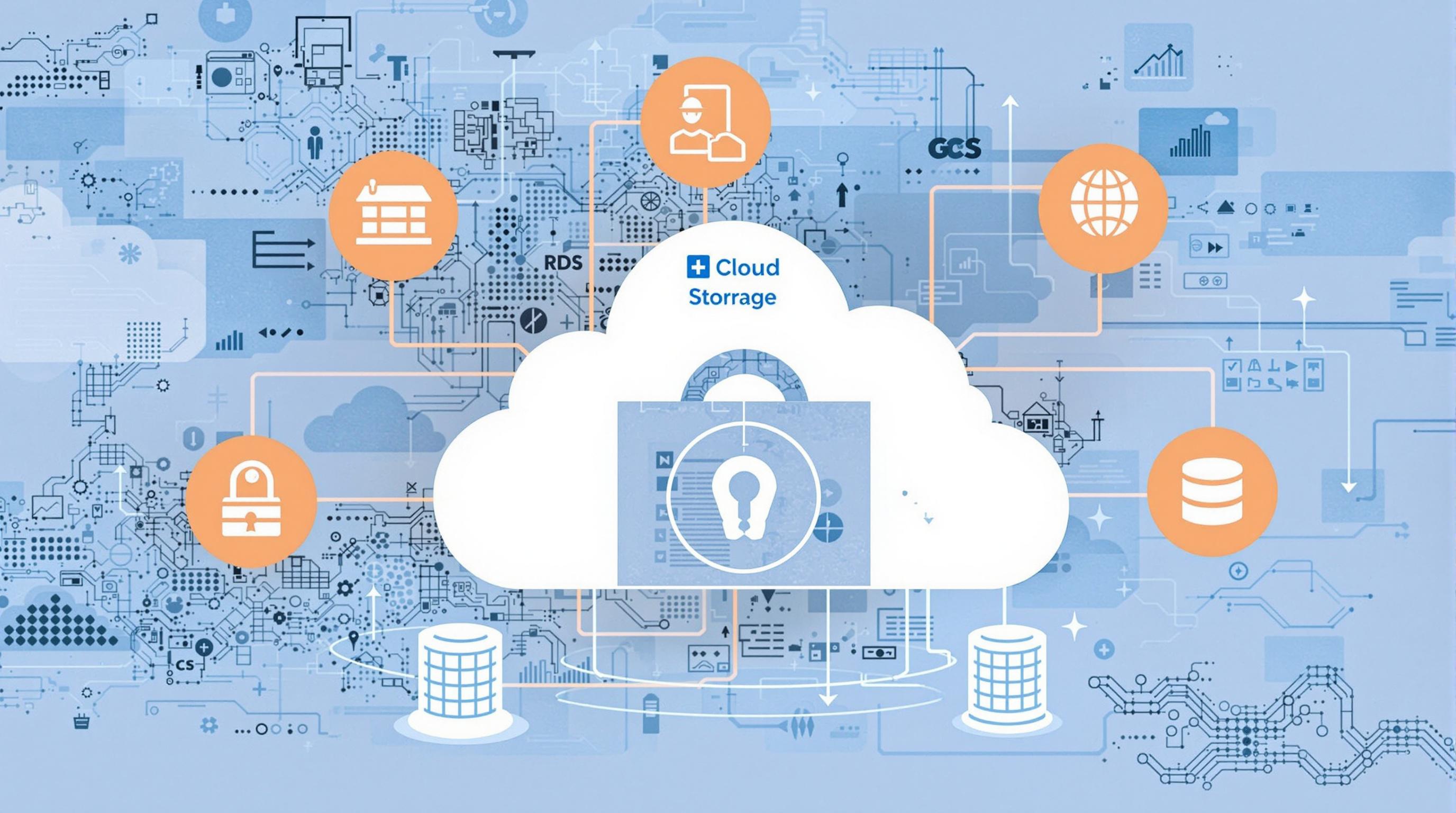
12 Lesser-Known Strategies to Protect Your Data in Cloud Storage Beyond Traditional Privacy Tips
12 Lesser-Known Strategies to Protect Your Data in Cloud Storage Beyond Traditional Privacy Tips
12 Lesser-Known Strategies to Protect Your Data in Cloud Storage Beyond Traditional Privacy Tips
1. Utilize Client-Side Encryption
While many cloud providers offer encryption at rest and in transit, client-side encryption adds an extra layer of security by encrypting data before it leaves your device. This ensures that only you hold the decryption keys, making it far more difficult for unauthorized parties to access your information even if the cloud storage service is compromised.
Implementing client-side encryption can be achieved with tools like Cryptomator or VeraCrypt, which are compatible with various cloud platforms. Users must take care to securely manage their encryption keys, as losing them could result in irreversible data loss.
By encrypting data locally, you maintain control over privacy, making client-side encryption a powerful strategy that goes beyond the typical advice of using strong passwords and two-factor authentication.
2. Practice Data Minimization
Data minimization involves storing only the essential information you need in the cloud, reducing the amount of sensitive data exposed to potential breaches. Avoid uploading unnecessary personal or proprietary information that could increase your risk if leaked.
This approach aligns with privacy principles recommended by regulatory frameworks such as GDPR, which encourages limiting data collection and retention. By storing less, you not only improve security but also simplify data management.
Regularly audit your cloud data to identify and delete obsolete or redundant files. This practice not only enhances security but can also free up storage space and improve system performance.
3. Employ Multi-Cloud Strategies
Using multiple cloud providers to store different parts of your data can mitigate risk by reducing dependency on a single vendor. In case of a breach or outage with one provider, your entire dataset remains inaccessible to attackers.
Multi-cloud strategies can also optimize costs and performance by leveraging each provider’s strengths. However, managing multiple accounts requires careful organization and consistent security policies across platforms.
Ensure that each cloud environment follows strict security controls and that data transferred between clouds remains encrypted to maintain confidentiality.
4. Monitor for Anomalous Activity
Cloud platforms typically provide logs and alerts for suspicious activities, but setting up custom monitoring adds an additional layer of defense. Implement tools or scripts that flag unusual login attempts, access from unfamiliar locations, or unexpected data changes.
Regularly reviewing these alerts allows users to respond swiftly to potential threats and may reduce damage from breaches. Services like AWS CloudTrail or Google Cloud Audit Logs offer detailed tracking capabilities to help with this process.
Develop a protocol for incident response, including notification procedures and recovery plans, to minimize downtime and data loss after detecting anomalies.
5. Leverage Immutable Storage Options
Immutable storage ensures that once data is written, it cannot be altered or deleted for a fixed period. This is particularly useful for compliance with legal requirements and protecting critical backups from ransomware attacks.
Services like Amazon S3 Object Lock provide immutability features that prevent data tampering, adding resilience against accidental or malicious modification.
Using immutable storage can complement traditional backup strategies, giving you confidence that certain data copies remain intact and secure during an attack or system failure.
6. Regularly Rotate Encryption Keys
Encryption keys are only as secure as their management. Rotating keys periodically limits the exposure time if a key is compromised, thereby enhancing overall data protection.
Cloud providers often support key rotation policies that automate this process, though manual rotation remains an option for tailored control. You should also ensure that old keys are securely retired and destroyed after rotation.
Key rotation requires coordination with access control policies to prevent data inaccessibility. Plan your rotation schedules carefully to avoid disruptions.
7. Harden API Security
APIs are essential for accessing cloud services but can also be targeted to gain unauthorized data access. Strengthening API security involves using authentication tokens, IP whitelisting, and limiting API permissions to the minimum necessary.
Employing rate limiting can prevent brute force attacks and abuse, while regular audits of API logs help identify suspicious behavior early.
Developers should stay updated on best practices and vulnerabilities related to APIs, applying patches and updates promptly to maintain robust defenses.
8. Use Secure File Sharing Protocols
Sharing files through cloud storage is convenient but can increase the attack surface if not carefully controlled. Always use secure sharing options that require authentication and provide expiration dates for access links.
Avoid public sharing links without restrictions, as they can be easily discovered. Instead, implement granular permissions and monitor shared file activity for unauthorized access attempts.
Consider using services that support end-to-end encryption for file sharing to ensure content remains confidential even during transit.
9. Backup Metadata Separately
Metadata contains information about your data, such as file names, modification dates, and permissions, which can be exploited by attackers. Backing up metadata separately ensures that you can restore original data structures and recover quickly from incidents.
This approach also facilitates auditing and tracking changes, helping maintain data integrity over time.
While cloud providers often manage metadata internally, maintaining an independent copy allows greater control and can assist during forensic investigations.
10. Educate and Train Users Continuously
Human error remains a leading cause of cloud data breaches. Providing ongoing education about cloud security risks and best practices fosters a security-conscious culture among users and administrators alike.
Training should include recognizing phishing attempts, secure password management, and proper handling of sensitive data within cloud applications.
Regular drills and updates on emerging threats ensure the team remains vigilant and prepared to respond effectively to incidents.
Sources:
- Cloud Security Alliance, "Security Guidance for Critical Areas of Focus in Cloud Computing," 2022.
- National Institute of Standards and Technology (NIST), "NIST Special Publication 800-144: Guidelines on Security and Privacy in Public Cloud Computing," 2019.
- Amazon Web Services Documentation, "S3 Object Lock," 2023.
Read More